
Home EV chargers in Australia: what to buy in 2026
What to look for in a home wallbox, then the units actually sold here with an approximate Australian price, plus installers who fit them.
A home charger (a wallbox) is the difference between waking up to a full battery and planning your week around public chargers. For most Australian households it is the single best EV upgrade you can make, and it usually pays for itself against public fast charging within a couple of years.
Most homes run a 7kW single phase unit, which adds roughly 40km of range an hour and refills a typical EV overnight. If you have three phase power and a car that accepts it, a 22kW charger goes faster, though plenty of EVs cap their onboard AC charging at 7kW or 11kW, so check your car before paying for the bigger unit. The two practical choices are tethered (a fixed cable, tidy and quick to plug in) or untethered (a socket you bring your own cable to, which suits shared or future proofed setups).
If you have solar, look for a charger with solar aware charging. Units like the myenergi Zappi and the Fronius Wattpilot can pour surplus rooftop energy into the car instead of exporting it, which is where the real savings sit. Beyond that, the things worth checking are app control and scheduling to catch off peak tariffs, an IP rating suitable for an outdoor wall, and OCPP support if you want the freedom to switch energy plans later.
Budget for installation on top of the unit. A straightforward install near the switchboard is at the lower end, while a long cable run, a switchboard upgrade or three phase work pushes it higher. Always use a licensed electrician, and get the install quoted before you buy the hardware.
AC versus DC charging
Almost all home charging is AC. Power from your switchboard runs into the wallbox, and your car's onboard charger converts it to DC to fill the battery. That is why your car's onboard AC limit (often 7kW or 11kW) matters more than the wallbox's headline number: a bigger unit cannot push more than the car will accept. DC fast charging, the kind at public stations, skips the onboard charger and feeds the battery directly for speed, but the hardware is far more expensive and is not something you fit at home. For overnight charging at the house, a well chosen AC wallbox is all you need.
Solar-aware charging
If you have rooftop solar, a solar-aware charger is where the real savings sit. Units like the myenergi Zappi and the Fronius Wattpilot watch your meter and pour only surplus rooftop energy into the car, so you charge on free solar instead of exporting it for a small feed-in tariff. Most also let you schedule charging to catch off peak grid tariffs overnight, or blend a set amount of grid power with solar when you need the car ready by morning. If cutting your running costs to near zero is the goal, prioritise this feature.
Installation costs
Budget for installation on top of the unit price. A straightforward job, with the wallbox close to the switchboard and spare capacity on the board, is typically the cheapest, often somewhere around $800 to $1,500. A long cable run, a switchboard or meter upgrade, or three phase work can push it well beyond that. Always use a licensed electrician, and get the installation quoted for your own home before you buy the hardware, because the site conditions matter more than the brand of charger.
Chargers sold in Australia (9)
Approximate unit price in AUD. Installation is extra. Ranked by price, partners labelled.
Feature your product here
evibe lists every product on the same honest base. Partners can add a featured listing with richer detail, your logo, current offers and a Get a quote enquiry form. The main list stays ranked neutrally.
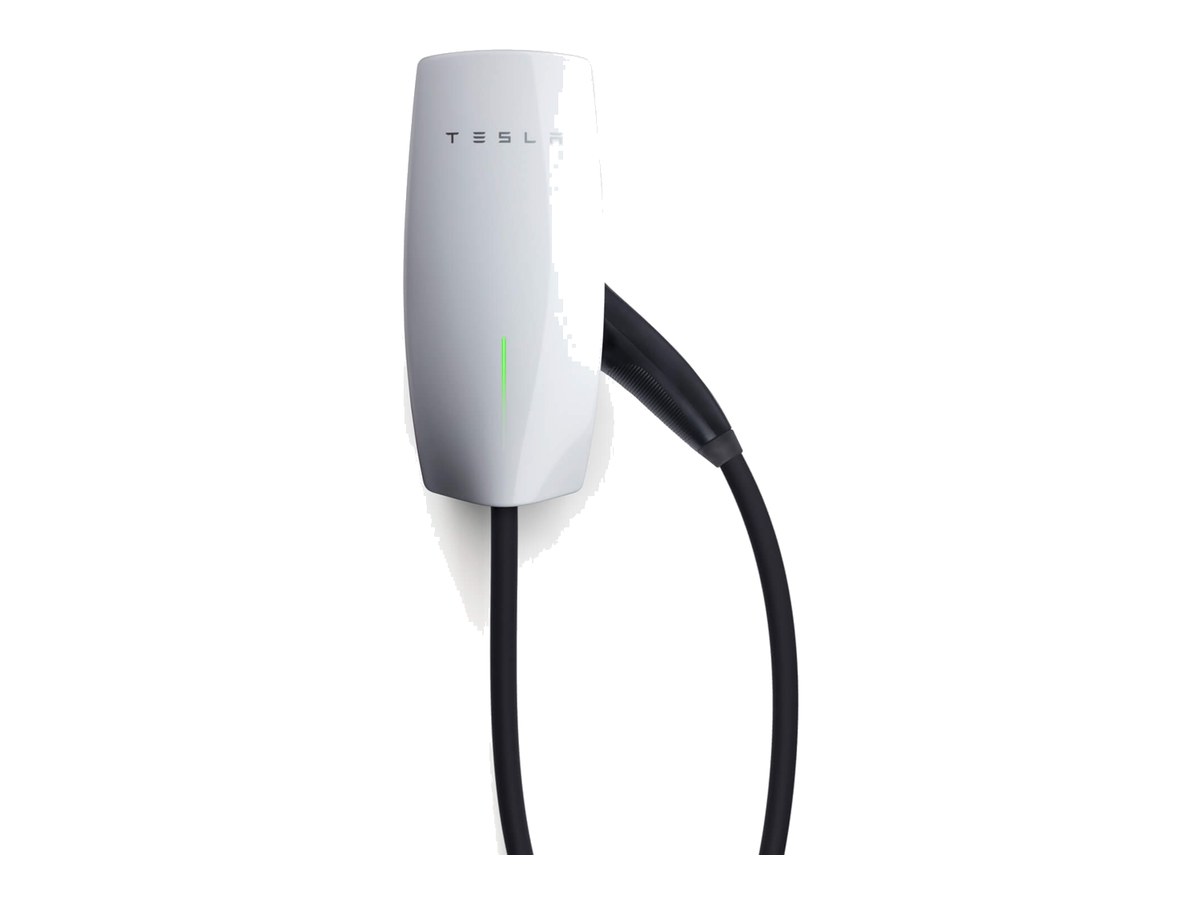
Tesla Wall Connector Gen 3
Tesla's tethered Type 2 home charger with a 7.3m cable, single or three phase, sold direct in Australia. App control and Wi-Fi over the air updates.
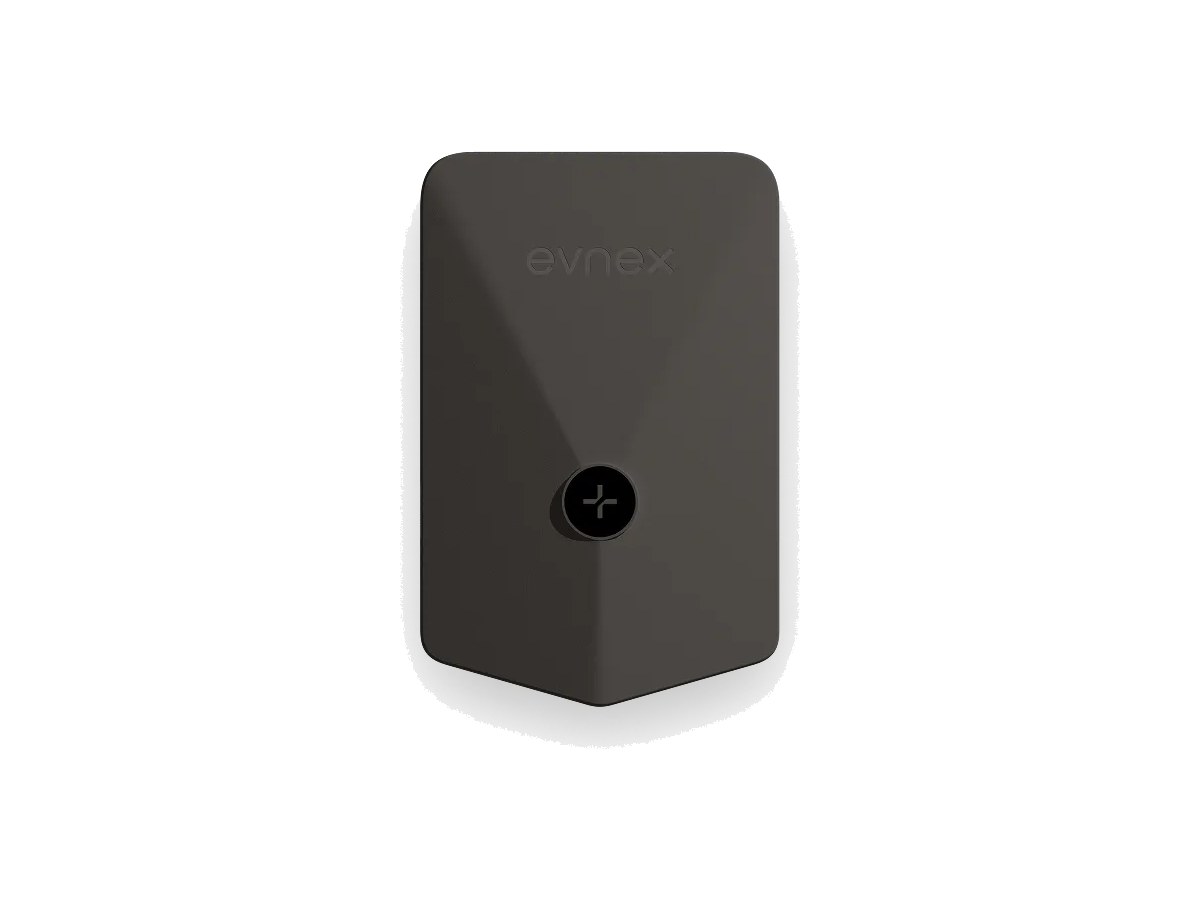
Evnex E2 Core
Single phase 7.4kW smart charger with a 5m Type 2 cable, built in Wi-Fi, scheduling and home overload protection. Can divert excess solar. 4 year residential warranty.
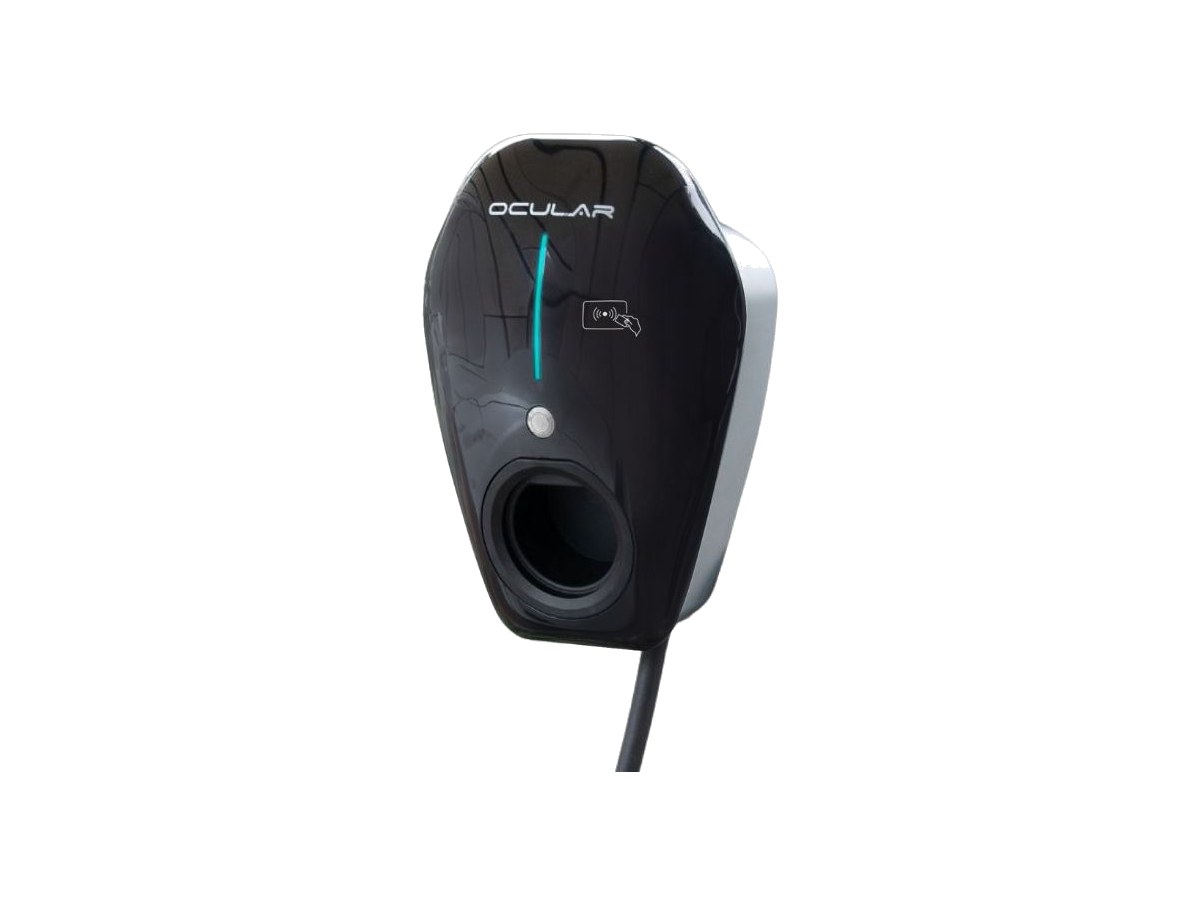
Ocular IQ Home Solar 7kW
Australian market smart home charger with solar charging support, 7kW or 22kW, 5m cable.
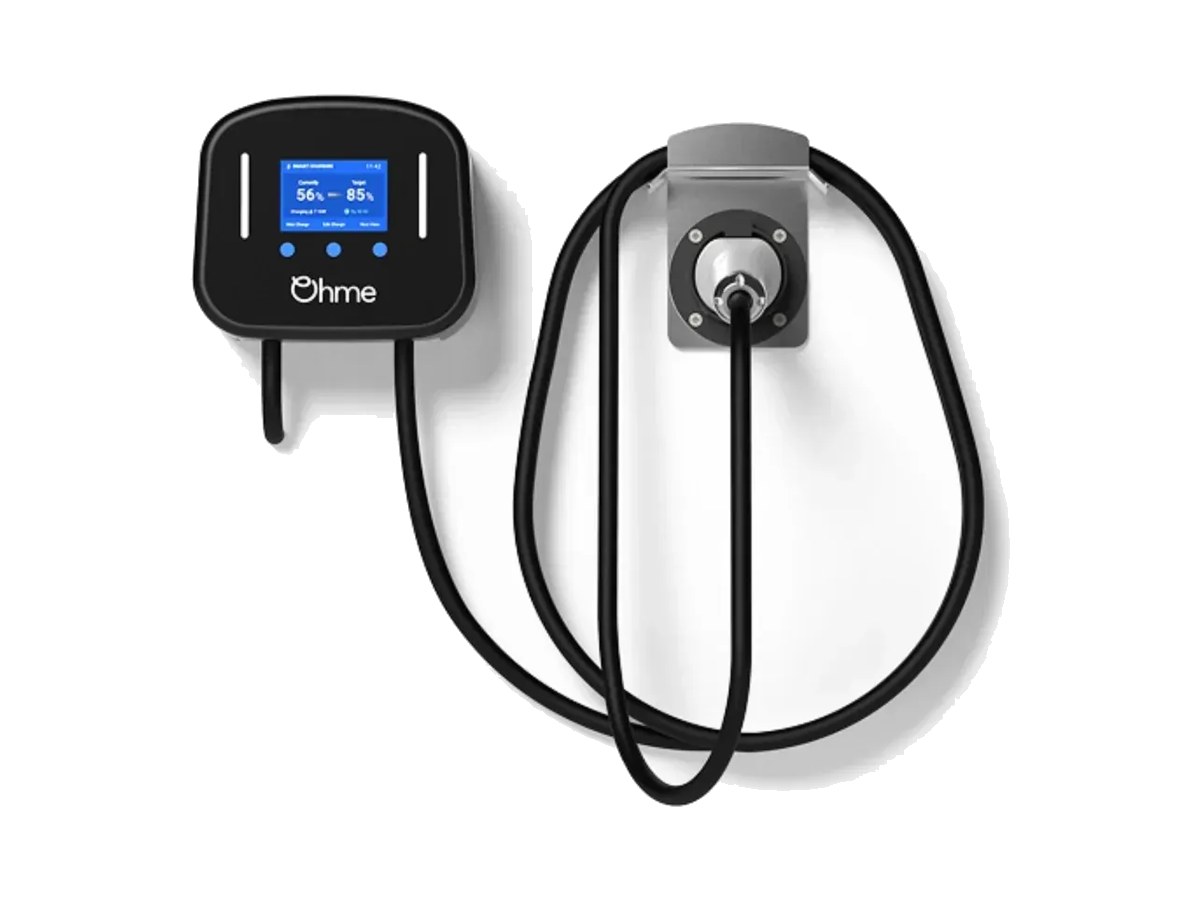
Ohme Home Pro 7.4kW
Smart charger with a 5m tethered Type 2 cable, Wi-Fi and an LCD display. Built in RCD protection and a CT clamp for load management. Rated IP55.
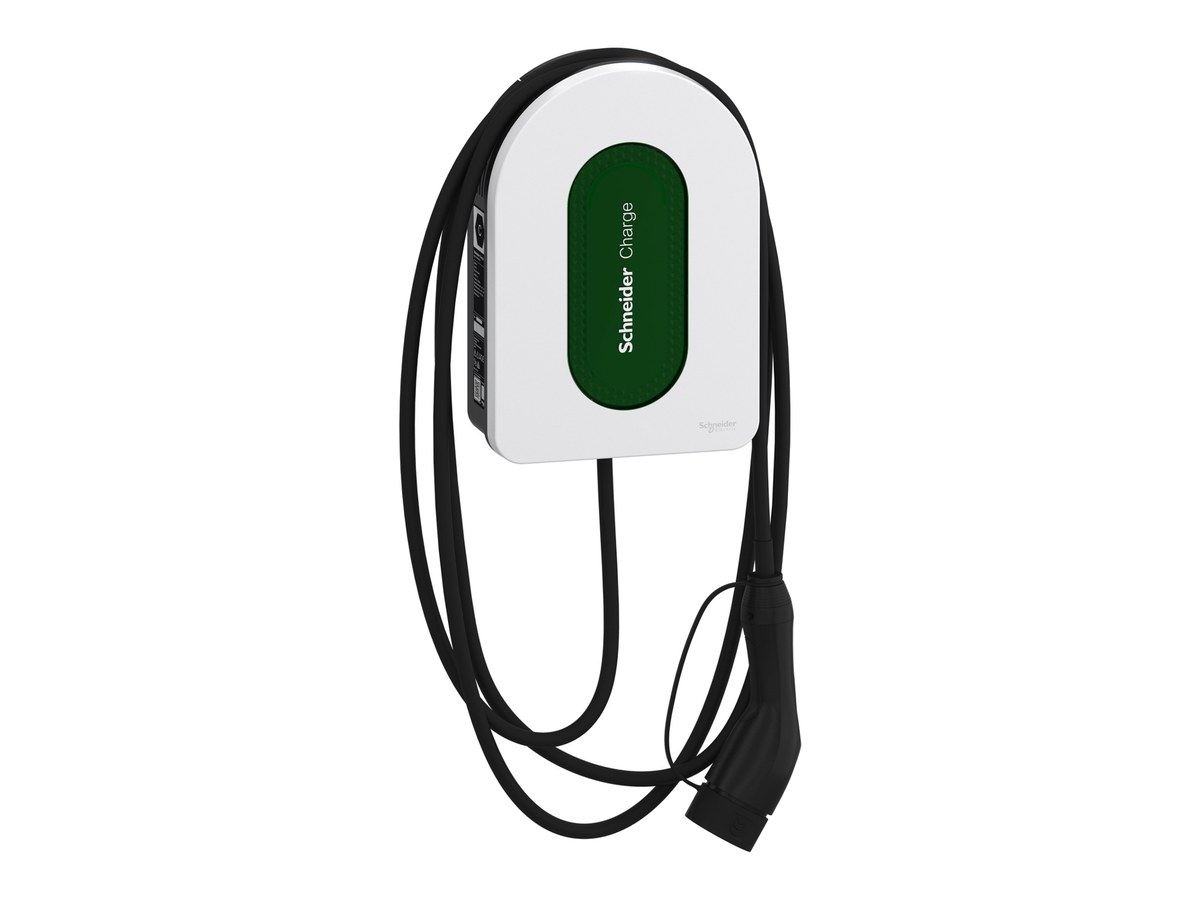
Schneider Charge 7.4kW
Home charging station with a 5m attached cable, rated 7.4kW at 32A single phase. The current replacement for Schneider's EVlink Home range.
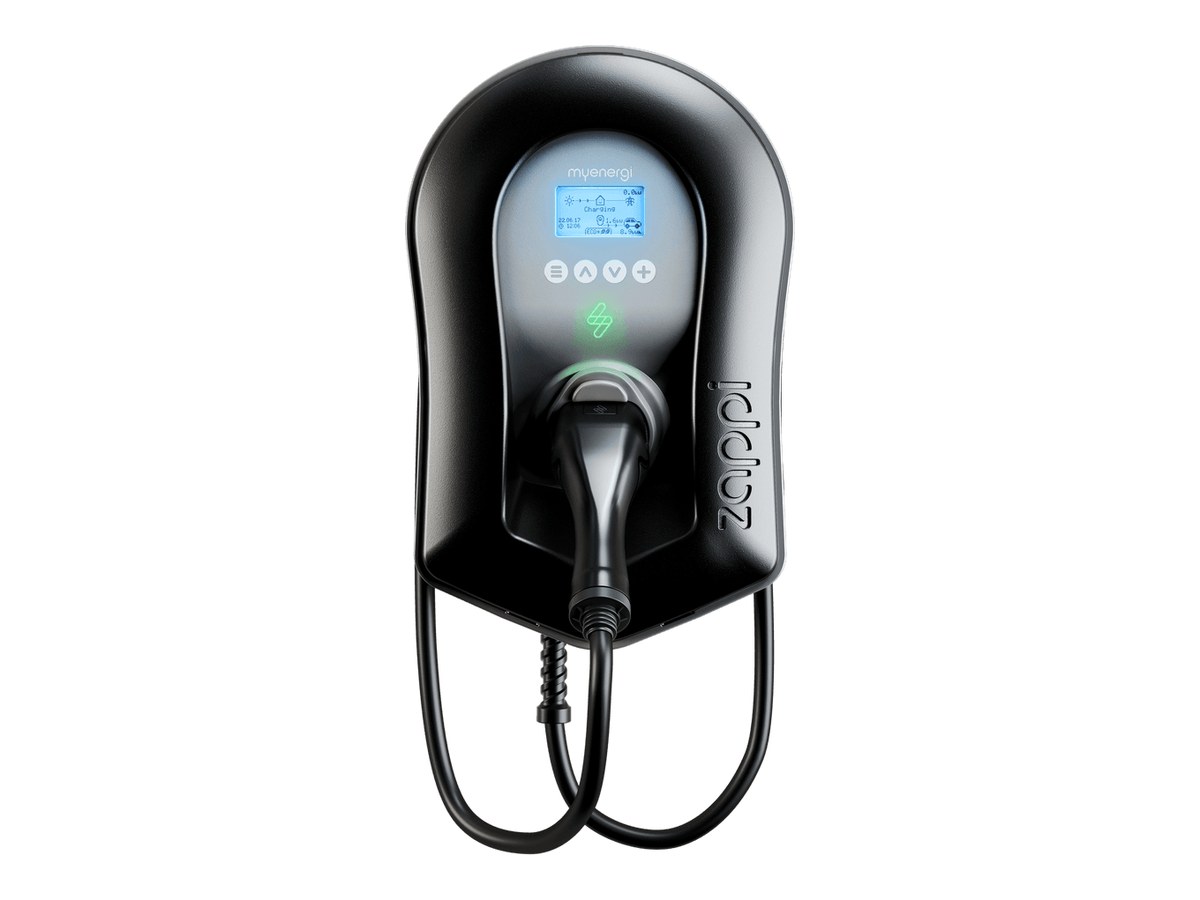
myenergi zappi
Solar aware smart EV charger with ECO, ECO+ and FAST modes, available 7kW single phase or 22kW three phase.
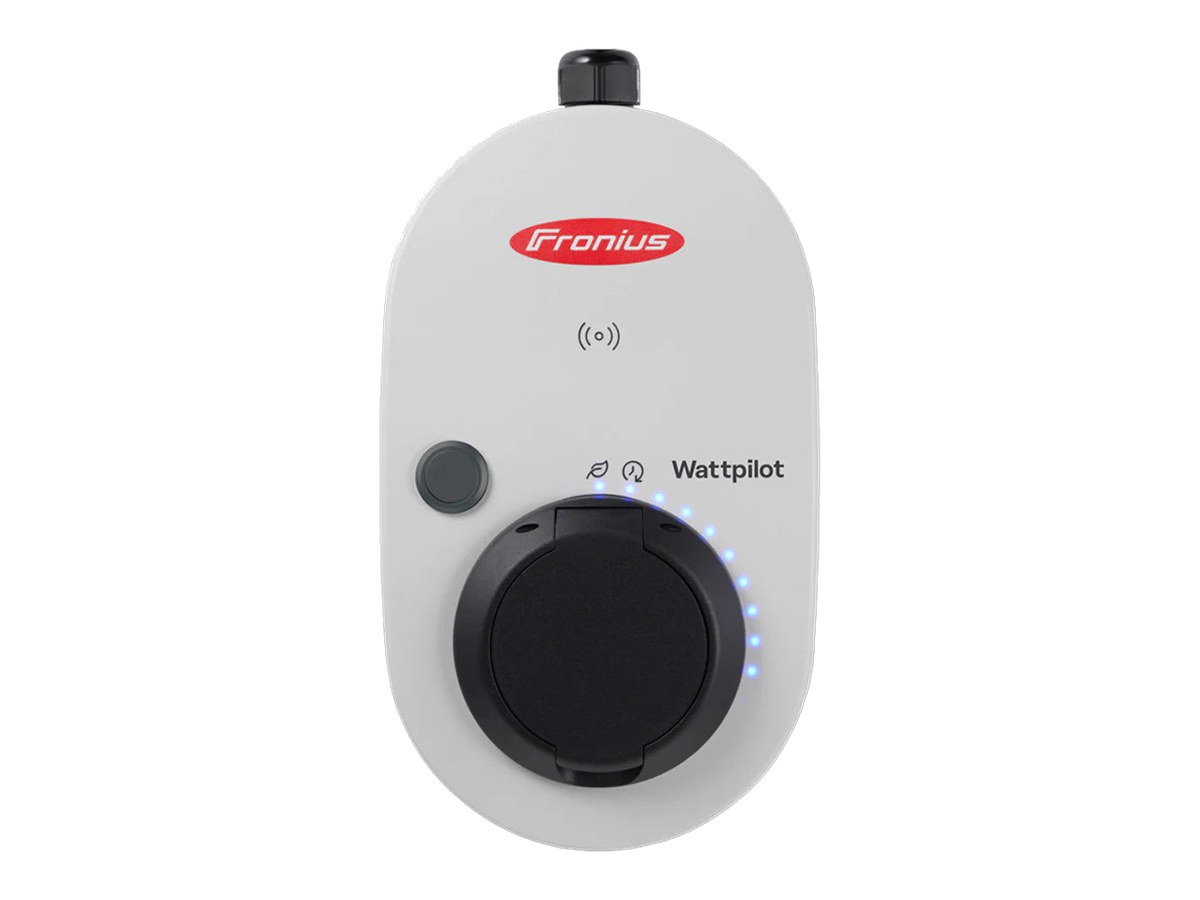
Fronius Wattpilot Go
Portable up to 22kW charger that plugs into a compatible three phase socket, with solar and app features.
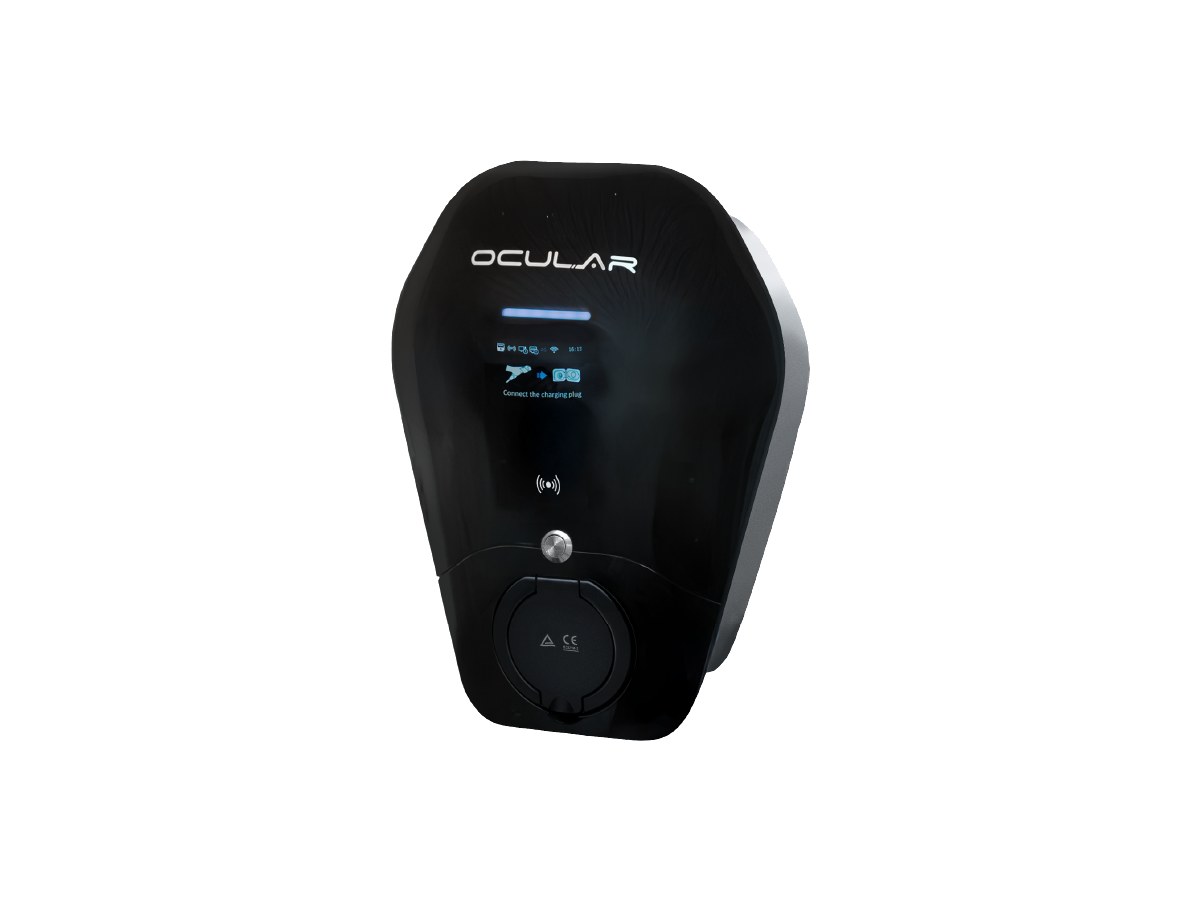
Ocular IQ Wallbox 7kW
Premium Ocular smart wallbox charger with screen interface and OCPP, 7kW single phase.
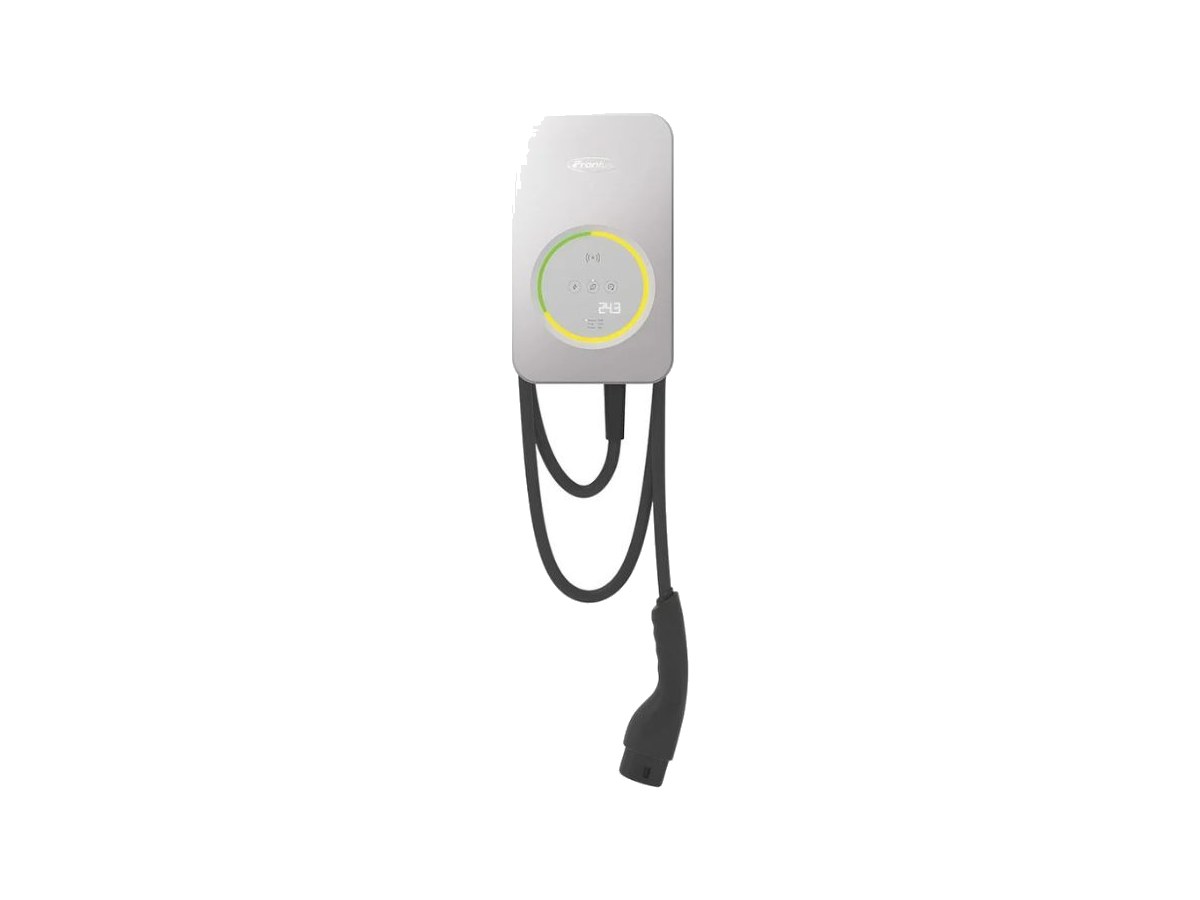
Fronius Wattpilot Flex Home 22
Wall mounted charger with an integrated 6m Type 2 cable. Switches between 1 and 3 phase automatically, with Eco and Next Trip modes for charging from solar surplus. Rated IP66.
Installers who fit home chargers
Australian installers covering home EV charging. Coverage shown by state.

JET Charge
Australia's largest EV charging infrastructure provider, supplying and installing home and commercial chargers nationwide since 2013.
Visit website
EVSE Australia
National EV charging equipment supplier and installer operating since 2015, with on site consultations across all capital cities.
Visit website
RACV (RACV Trades)
RACV's certified trades team installs home EV chargers and solar, primarily across metro and regional Victoria.
Visit website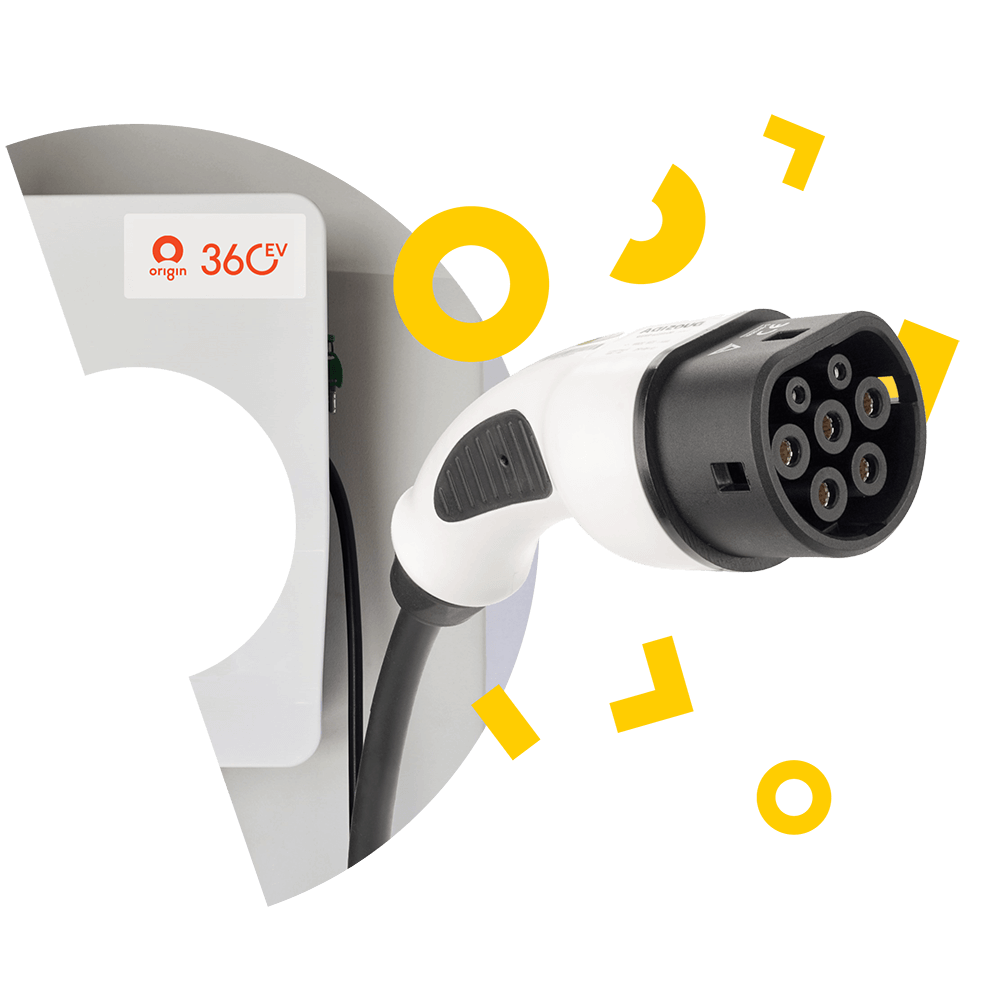
Origin 360 EV
Origin Energy's EV charging arm, supplying 7.4kW home chargers and connecting customers with vetted installers.
Visit website
Penrith Solar Centre (PSC Energy)
Highly rated in house solar and battery installer that uses no subcontractors, based in Western Sydney.
Visit website
Electric Kicks
National online e-scooter retailer based in north east Melbourne, stocking major brands with Australia wide delivery.
Visit website
iScoot
Brisbane based e-scooter retailer carrying a large range, with free express delivery Australia wide on orders over $999.
Visit websiteElite Power Group
Electrical contractor and EV charging installer covering home, commercial and bidirectional V2G systems.
Visit website
Lenergy
Solar and battery installer with expertise in Sigenergy bidirectional EV charging systems.
Visit website

Positive Energy
Perth based installer of EO and other home EV chargers alongside solar systems.
Visit website
Calibre Connect
Sydney electrical services company installing EO Mini Pro and other smart home EV chargers.
Visit websiteHome charger comparison
Every home charger we list, with an approximate Australian price. Installation is extra.
| Charger | Details | From (AUD) |
|---|---|---|
| Tesla Wall Connector Gen 3 | 1 or 3 phase, Tethered | $800 |
| Evnex E2 Core | 7.4kW, Tethered 5m, Solar mode | $1,099 |
| Ocular IQ Home Solar 7kW | 7 kW, Solar aware | $1,195 |
| Ohme Home Pro 7.4kW | 7.4kW, Tethered 5m, Solar mode | $1,415.72 |
| Schneider Charge 7.4kW | 7.4kW, Tethered 5m, Single phase | $1,472.55 |
| myenergi zappi | 7 kW, 1 or 3 phase, Solar aware | $1,545 |
| Fronius Wattpilot Go | 22 kW, Three phase, Solar aware | $1,789 |
| Ocular IQ Wallbox 7kW | 7 kW, Single phase | $1,822 |
| Fronius Wattpilot Flex Home 22 | 11 or 22kW, 1 or 3 phase, Tethered 6m | $1,848 |
Frequently asked questions
How much does a home EV charger cost in Australia?
Most 7kW home wallboxes cost roughly $800 to $2,000 for the unit, with installation on top, usually around $800 to $1,500 for a straightforward job.
How long does a 7kW charger take to charge an EV?
A 7kW charger adds roughly 40km of range an hour, enough to fully refill a typical EV overnight.
Do I need three phase power for a home charger?
No. Most homes use a 7kW single phase charger. A three phase charger (up to 22kW) is only worth it if your car accepts it and you have three phase supply.
Can I charge my EV from solar?
Yes. A solar-aware charger such as the myenergi Zappi or Fronius Wattpilot can send surplus rooftop solar to the car instead of exporting it.