
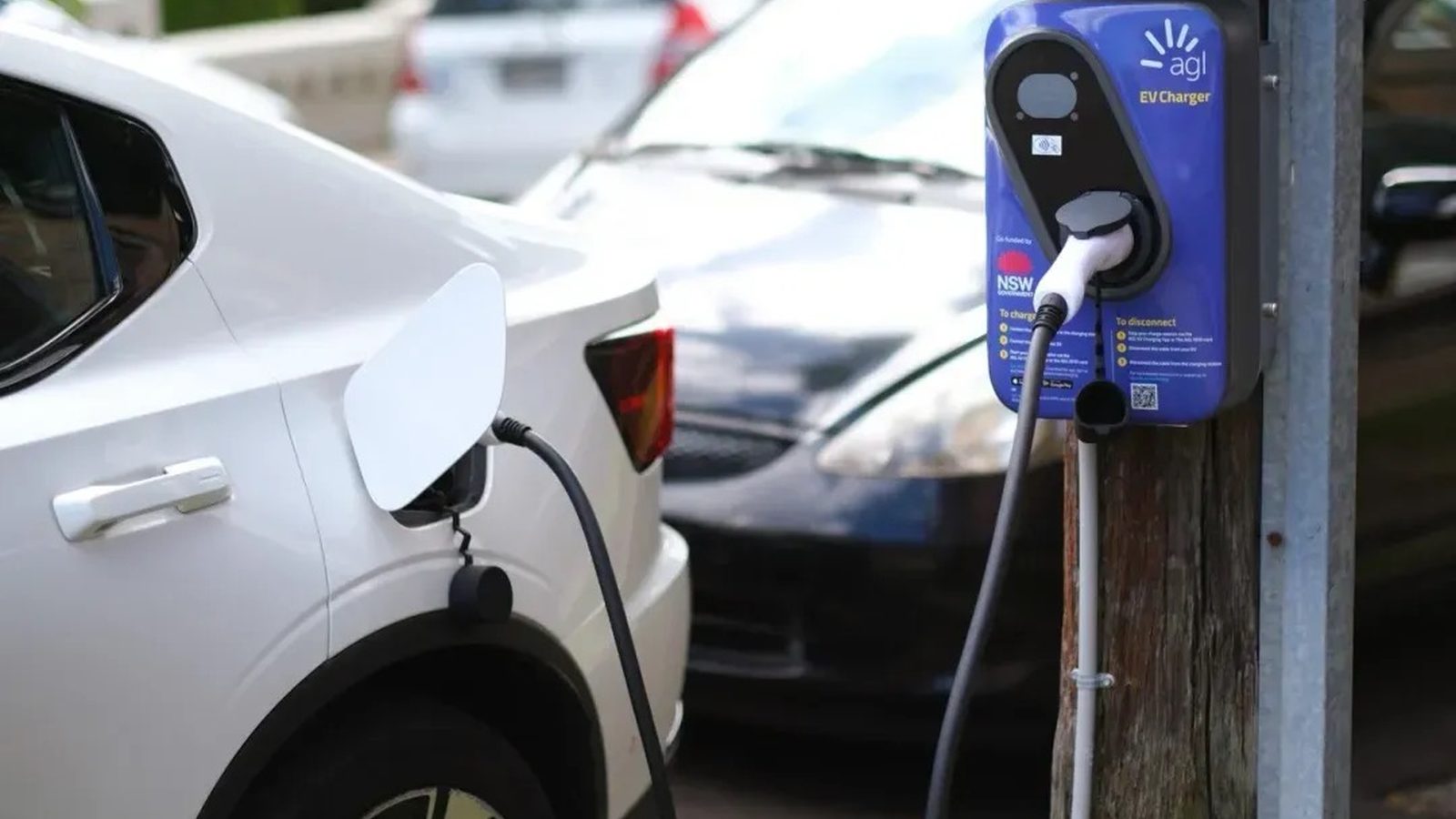
Image: Chargefox / AGL
More than one in five new cars sold in Australia in July was battery electric. Combined figures from the Electric Vehicle Council and the Federal Chamber of Automotive Industries counted 23,510 battery electric vehicles out of a record 108,577 deliveries for the month, a 21.7 percent share and more than triple the BEV sales of July last year. So far in 2026, Australians have bought 127,244 BEVs, a 17.3 percent share of all new vehicle sales. The cars are selling. The question, raised this month by researchers from the University of Western Australia, the University of Queensland and the University of Technology Sydney, is whether the public charging network is set up to keep pace.
Chargers are going in fast, for now
Retailers and fuel companies are racing to build. The researchers point to Coles, working with Evie Networks, installing 200 kilowatt fast chargers at up to 30 supermarkets in Victoria and Queensland over the next two years. Ampol has switched on its first 400 kilowatt chargers as it builds toward what it says will be the country's biggest network by 2030. BP is adding a 24 bay hub at Melbourne Airport on top of nearly 300 bays installed nationally since 2022, and the NRMA built 35 new highway sites in 2025 with close to $40 million in federal funding. BYD, meanwhile, is now Australia's second best selling brand behind Toyota.
The catch
The researchers argue government money tends to fund the ribbon cutting, not the years of upkeep after. Chargefox, Australia's biggest charging network, owns very little of its own hardware: it bundles chargers owned by councils, businesses and energy companies into one app. That concentration is a risk. One study found Chargefox controls 83 percent of Tasmania's public chargers and 58 percent of Western Australia's. In WA, the RAC has wound up its decade old Electric Highway project, handing 16 charging sites to local councils that often lack the resources to keep them running. And the federal 98 percent uptime standard only applies to chargers built with taxpayer money, not privately funded ones.
- 23,510 BEVs sold in July 2026, 21.7 percent of a record 108,577 deliveries
- BEV sales more than tripled compared with July last year
- Chargefox controls 83 percent of Tasmania's public chargers and 58 percent of Western Australia's
- Federal 98 percent uptime standards apply only to chargers built with public money
The evibe take
Australia is proving buyers will switch fast when the cars are right. The charging story is the part nobody is managing properly. A network mostly built from other people's hardware, with no requirement that private chargers even report how often they work, is fine until it is not. The fix is not more ribbon cuttings, it is tying charger funding to how well the thing still works five years later.