
Image: Neoen
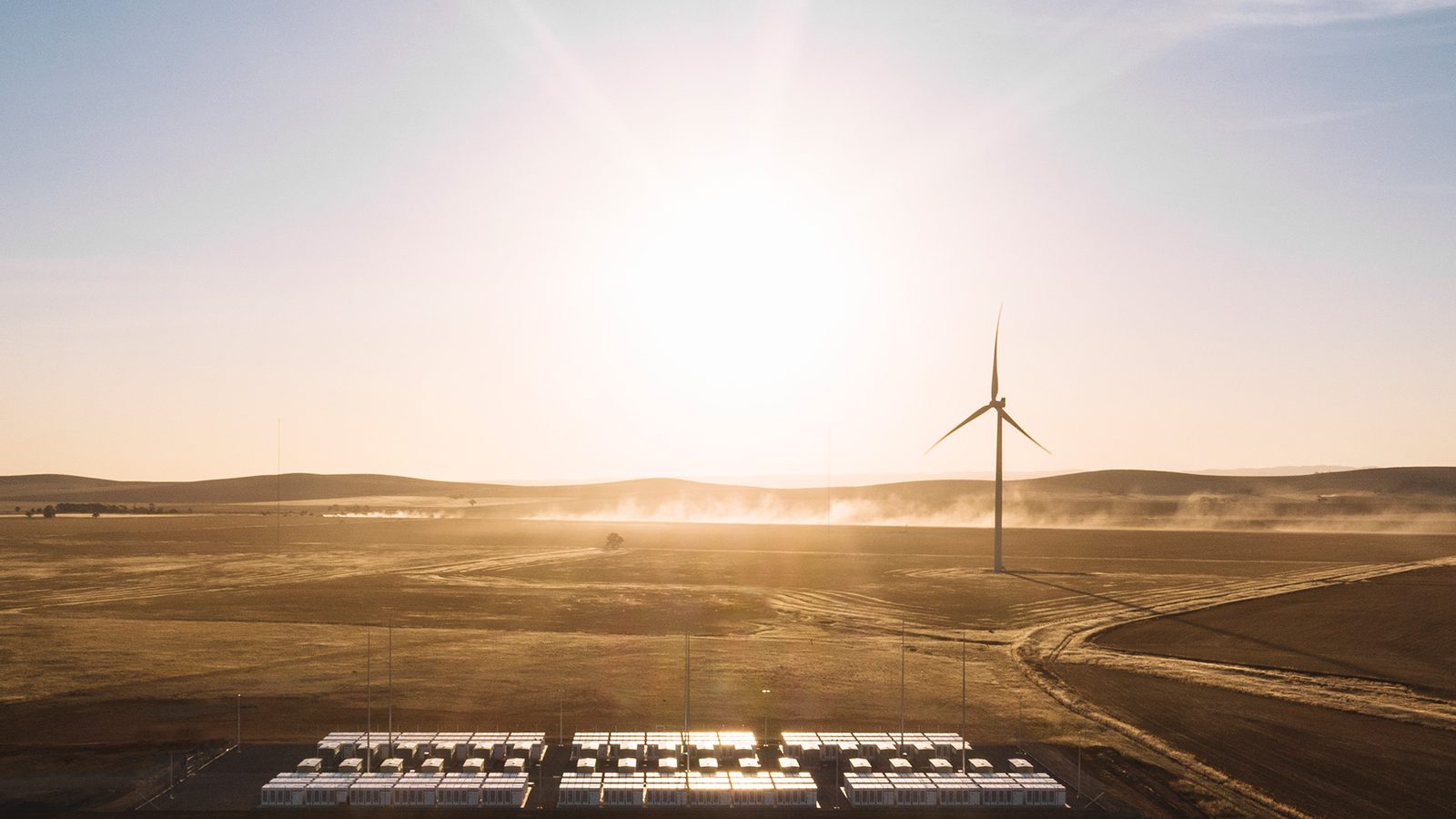
Big batteries have gone from bit players to price setters on Australia's main grid. In its Wholesale Electricity Market Performance Report 2026, released in late August, the Australian Energy Regulator found that battery storage set the wholesale electricity price in the National Electricity Market 16.3 percent of the time across 2025. Four years earlier, in 2021, that figure was about 1 percent.
What setting the price means
At any moment, the wholesale price is set by the last generator needed to meet demand. For years that role fell to coal, gas and hydro. Now, roughly one interval in six, it is a battery, either charging up cheap solar in the middle of the day or discharging into the evening peak. In Queensland's evening peak the shift is sharper still: the report found batteries set the price there about a quarter of the time in 2025.
The capacity behind the shift
The change is being driven by a wave of new storage. The AER report shows installed grid scale battery output grew to 6.1 gigawatts by the end of 2025, up from 2.2 gigawatts at the start of the same year. More batteries competing to buy cheap daytime power and sell expensive evening power puts a ceiling on how high evening prices can climb, and a floor under how low midday prices fall.
- Batteries set the NEM wholesale price 16.3 percent of the time in 2025
- That is up from around 1 percent in 2021
- In Queensland's evening peak, batteries set the price about a quarter of the time
- Installed grid scale battery output reached 6.1 gigawatts by the end of 2025
Why it matters for your bill
The AER found that rising output from batteries, solar and wind pushed wholesale prices down across every NEM region in 2025 compared with 2024. Wholesale is only one part of a retail bill, so this does not translate one for one into cheaper power at home. But it does chip away at the evening price spikes that storage is built to smooth, and it weakens the market power that a handful of large gas and coal generators have long held over the dinnertime peak.
The evibe take
This is the grid version of what a home battery does on your own meter: soak up cheap solar, release it when power is dear. Multiplied across gigawatts of grid scale storage, it starts to change the shape of the whole market. For households, the takeaway is simple. The economics that make a home battery worthwhile, a wide gap between cheap daytime and dear evening power, are the same forces now playing out at national scale.