
Image: Benlisquare, Wikimedia Commons, CC BY-SA 4.0
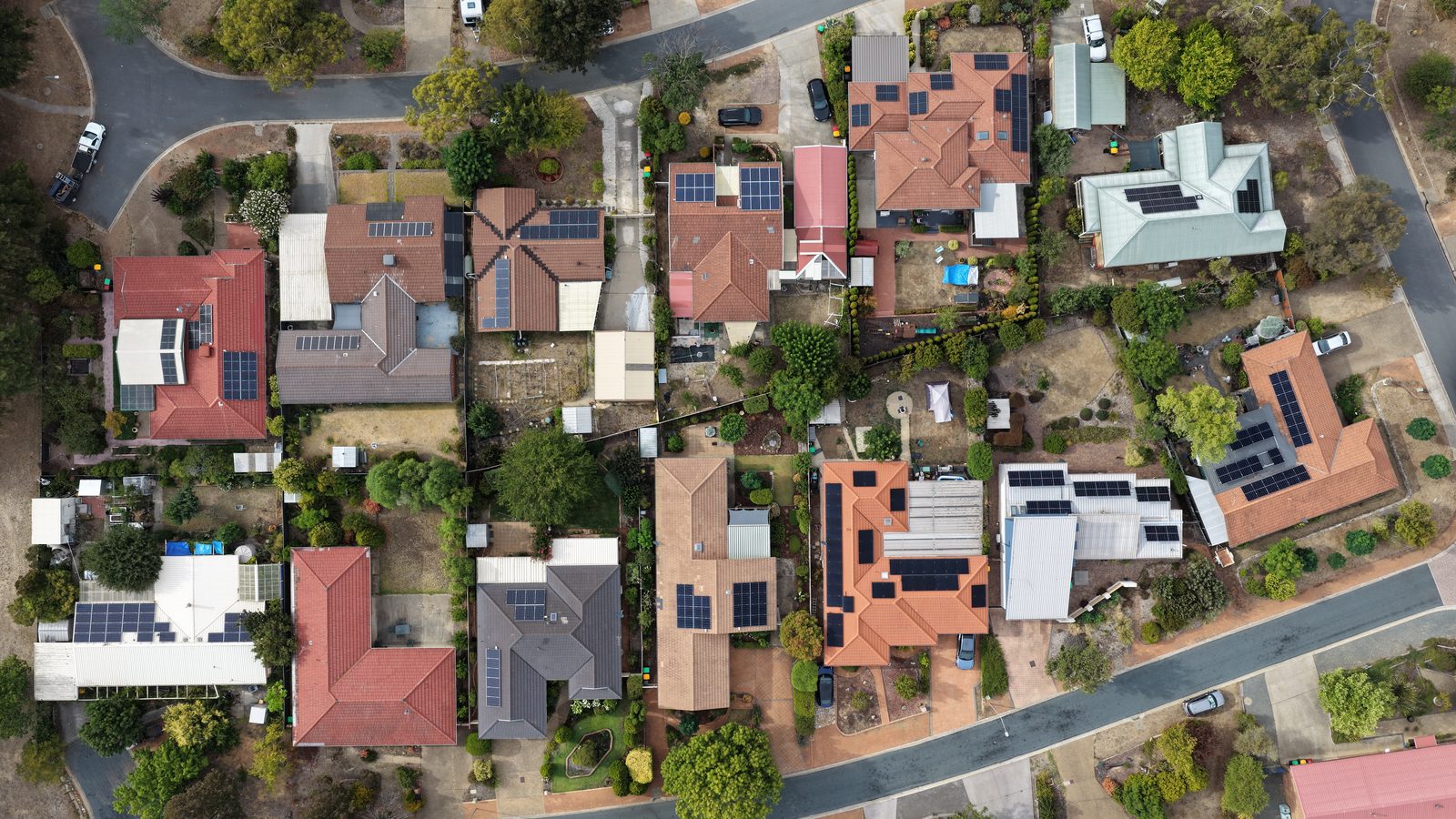
If you have rooftop solar in South Australia, do not be alarmed if your system stops exporting for a short window on Tuesday 25 August 2026. SA Power Networks is running its annual test of a capability that lets it remotely wind rooftop solar down to zero and bring it back, and about 100,000 systems will take part.
What actually happens on the day
The test ramps participating systems down to 0 kilowatts of export, holds them there for under an hour, then ramps them back up. SA Power Networks expects the average system to miss around 1.5 kilowatt hours of generation, and says the whole exercise will be finished before sunset. Anything your home is using at the time keeps running on grid power as normal.
- About 100,000 South Australian solar systems take part
- Systems ramp to 0 kilowatts, then back up, in under an hour
- Around 1.5 kilowatt hours of generation missed on average
- Only export is paused, your home keeps drawing power as usual
Why the grid needs an off switch for solar
South Australia runs on more rooftop solar per person than almost anywhere in the country. On mild, sunny days, so much solar can flood the grid that demand for grid power drops close to zero, which is a genuine stability risk. The ability to briefly curtail solar exports gives the market operator a lever to pull in an emergency, rather than resorting to blunter measures. Testing it once a year proves the lever still works before it is ever needed for real.
Who is included
The capability is legislated. Solar systems installed in South Australia from September 2020 onward must be able to respond to a remote disconnection signal under the state's Smarter Homes rules. If your system predates that, it is not part of the test. Owners do not need to do anything: participating systems respond automatically and return to normal on their own.
The evibe take
A once a year fire drill for the grid is not a sign the system is fragile, it is a sign it is being managed. As rooftop solar keeps growing across the country, expect more networks to build and test the same kind of controls. The trade worth watching is fairness: if curtailment ever moves from a rare emergency tool to a regular event, owners will reasonably want to know how often their exports get paused, and whether they are compensated for it.